8M: Women and their impact on immigration to Spain
Before starting the procedure: requirements and procedures may change. Check the information applicable to your case and consult the relevant official sources.
8 March, International Women’s Day, is a crucial moment to reflect on the impact of women on immigration to Spain. This phenomenon, known as the feminization of migration, highlights the importance and impact of women in this social and economic process. In this article, we will explore various aspects of the situation of migrant women in Spain and how it relates to the fight for their rights.
Women make up 48% of international migrants and play a vital role in many families and communities. However, they face significant challenges that require attention and action. This analysis seeks to bring their experiences and needs to light in the context of 8M.
How does the feminization of migration relate to 8M?
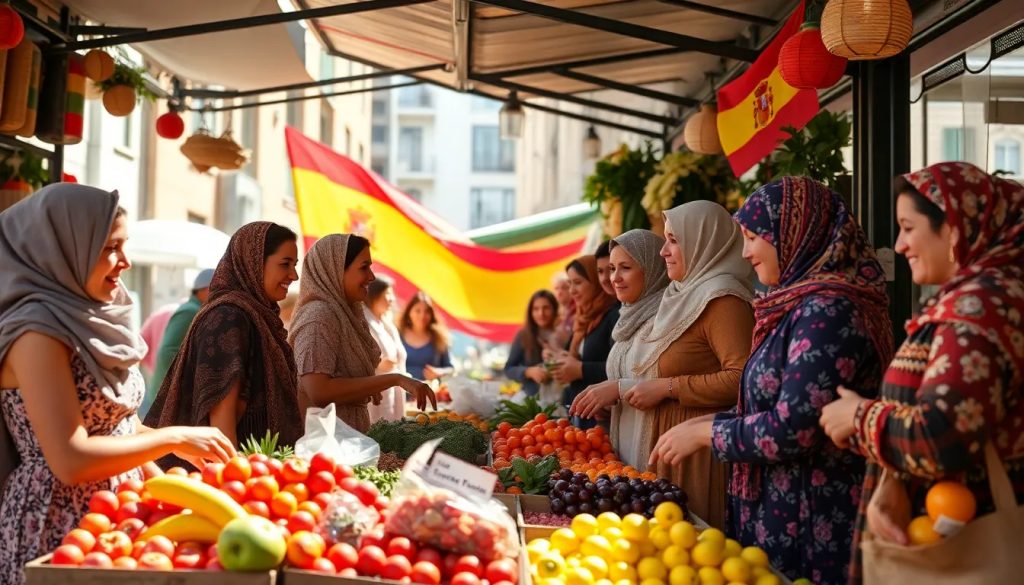
The feminization of migration has transformed social dynamics in Spain, particularly in the context of 8M. Every year, thousands of migrant women take part in demonstrations, demanding equality and asserting their rights. This not only highlights the importance of their presence in society but also underscores their ongoing struggle.
Migrant women, often heads of household, face multiple challenges that make it difficult for them to integrate into Spanish society. By taking part in 8M, they seek to be heard and bring attention to their needs and problems, such as insecure working conditions and gender-based violence.
This day becomes a platform for bringing all women’s voices together, including those who are often ignored. Migrant women’s participation in the Spanish feminist movement is essential to building an inclusive and equitable struggle.
What is the profile of immigrant women in Spain?
Immigrant women in Spain come from many parts of the world, with a notable increase in migration from Latin America. According to recent data, most of these women are young, and many are mothers seeking to improve their living conditions.
The profile of immigrant women includes characteristics such as:
- Average age between 25 and 45 years.
- A strong presence in sectors such as cleaning, care for older people and childcare.
- A significant number face a lack of recognition of their professional qualifications.
Women also often take on caregiving roles, which can put them in vulnerable and precarious situations. This profile highlights the need for inclusive immigration policies that take these women’s realities into account and provide them with the support they need.
What challenges do migrant women face?
Migrant women in Spain face a range of problems that affect their well-being and their ability to integrate fully into society. Some of the most common include:
- Gender-based violence: Many migrant women experience violence both at work and at home.
- Precarious work: Their access to the labour market is limited, often pushing them into low-paid jobs without employment rights.
- Social isolation: Because of language and cultural barriers, many migrant women feel lonely and excluded from the community.
These issues not only affect their daily lives but also limit their opportunities for personal development and growth. Raising awareness and securing recognition of their rights are essential to improving their situation.
What specific needs do immigrant women have?
Immigrant women have specific needs that must be addressed to ensure their well-being and integration into society. These needs cover various areas, including:
- Access to healthcare: It is essential that they have access to specific healthcare services that address their particular needs as women.
- Legal support: They need legal advice and support to deal with abuse or lack of protection.
- Employment opportunities: Policies are needed to help them enter the labour market and recognise their abilities and skills.
Addressing these needs is essential to enable migrant women to contribute fully to Spanish society and the economy.
What are the key figures on immigration in Spain?
Statistics reflect the growing importance of women in immigration to Spain. According to recent reports, there are estimated to be more than 4 million immigrants in the country, of whom nearly 2 million are women.
Some key figures include:
- 48% of migrants in Spain are women.
- Women from Latin America account for a high proportion of female immigrants.
- Employment rates among migrant women are significantly lower than among men and native-born women.
These figures underline the urgent need to address the situation of migrant women and implement policies that promote their integration and protection.
How does solidarity among migrant women manifest itself?
Solidarity among migrant women is a powerful phenomenon expressed through mutual support. Migrant women often form support networks that help them face shared challenges.
These networks can include:
- Community groups: Many women organise into groups where they can share their experiences and seek collective solutions.
- Social activism: Taking part in feminist movements enables them to unite in the fight for their rights and raise awareness of their needs.
- Mentoring and empowerment: Women with more experience help newcomers adapt, creating a sense of community and belonging.
This solidarity is essential to fostering an environment where migrant women feel valued and empowered to stand up for their rights.
What is the impact of gender-based violence on migrant women?
Gender-based violence has a devastating impact on the lives of many migrant women. It can take many forms, from physical abuse to labour exploitation.
Factors that make the situation worse include:
- Lack of resources: Many women do not have access to the financial resources they need to escape abusive situations.
- Legal insecurity: Their immigration status often makes them easy targets for abusers, as they are afraid to report them.
- Stigmatisation: They are often judged because they are migrants, which further isolates them.
Addressing this issue is essential to ensuring the protection and well-being of migrant women in Spain.
Related questions about the situation of migrant women in Spain
How many immigrants does Spain need to sustain its pension system?
Spain faces a significant demographic challenge and is estimated to need to integrate a considerable number of immigrants to sustain its pension system. Projections indicate that between 200,000 and 300,000 immigrants are needed each year to balance population ageing and ensure the sustainability of the pension system.
Which nationalities migrate to Spain the most?
The nationalities that migrate to Spain the most are predominantly Latin American, with countries such as Colombia, Venezuela and Ecuador leading the statistics. However, there are also significant numbers of immigrants from Morocco and other North African countries.
What challenges do migrant women face?
Migrant women often face vulnerable situations, including gender-based violence and precarious working conditions. Although they make up a crucial part of the workforce, their work is not always recognised or properly valued. This puts them at a disadvantage compared with their male counterparts.
Where do most immigrants in Spain come from?
Most immigrants in Spain come from Latin America, followed by people from Morocco and other nearby regions. This diversity enriches Spanish culture, although it also presents challenges in terms of integration and adaptation.
This content is for informational purposes only and does not replace professional legal advice or information provided by the competent authorities.