Criminal proceedings: a complete guide and main types
Before starting the procedure: requirements and procedures may change. Check the information applicable to your case and consult the relevant official sources.
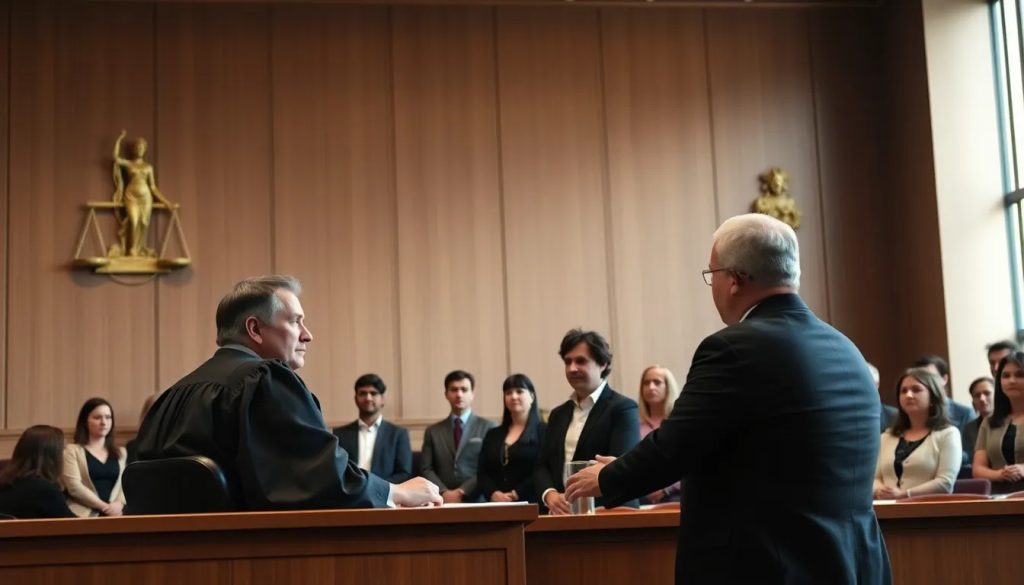
Criminal proceedings are a fundamental part of Spain’s judicial system. They allow crimes to be investigated and punished, ensuring that the rights of all parties involved are respected. In this article, we explore the different types of criminal proceedings and their characteristics, as well as the applicable legislation.
Types of criminal proceedings
There are several types of criminal proceedings in Spain, each designed to address crimes of varying severity and circumstances. The most common include:
- Ordinary procedure: Used for more serious crimes.
- Abbreviated proceedings: Cover less serious offences and move more quickly.
- Fast-track trial: For offences requiring an immediate judicial response.
Each of these proceedings has its own set of rules and stages, allowing justice to be administered appropriately and effectively. The type of proceedings chosen depends largely on the nature of the offence and the specific circumstances of the case.
What are criminal proceedings in Spain?
In Spain, criminal proceedings are a set of legal actions aimed at determining a person's liability for committing an offence. They are governed mainly by the Criminal Procedure Act, which sets out the rules and principles that apply to criminal proceedings.
These proceedings involve not only investigating the offence but also protecting the rights of victims and defendants. In this context, Organic Law 1/2025 has introduced significant reforms to modernise the judicial system and improve the efficiency of criminal case resolution.
What types of criminal proceedings are there?
Criminal proceedings in Spain are divided into several categories according to the seriousness of the offence and the circumstances of the case. Some of the main types are:
- Ordinary proceedings: Used for serious offences.
- Abbreviated proceedings: Apply to less serious offences and allow for a faster resolution.
- Fast-track trial: Specifically designed for offences requiring swift judicial action.
- Urgent preliminary proceedings: Proceedings initiated immediately after an offence is committed.
Each type of proceedings has specific features that determine how the investigation and trial are conducted. Understanding these differences is essential to navigating the judicial system.
What are the stages of criminal proceedings?
Criminal proceedings take place in several stages, each with its own purpose and procedures. The main stages are:
- Investigation phase: Evidence and testimony are collected to determine whether a crime has been committed.
- Intermediate phase: It is assessed whether there is enough evidence to take the case to trial.
- Oral trial: The case is presented before a court, where arguments from both sides are heard.
- Judgment: The court issues a decision on the defendant’s guilt or innocence.
Each phase is crucial to ensuring that the rights of those involved are respected and justice is administered effectively.
What is the abbreviated criminal procedure?
The abbreviated procedure is a type of process used in cases involving less serious offences. It aims to streamline judicial proceedings and allow for a quicker resolution. Some of its features include:
- Shorter duration: Time limits are shorter than in ordinary proceedings.
- Limited evidence: The evidence that can be presented at trial is reduced.
- Swift conclusion: It aims to provide society with a quick response.
The abbreviated procedure has become crucial in the current context, where efficiency in the judicial system is increasingly valued.
What are the characteristics of criminal proceedings?
Criminal proceedings in Spain have several defining characteristics that are essential to their proper functioning. These include:
- Principle of legality: All actions must be based on the law.
- Rights of defendants: The right to a defence and a fair trial is guaranteed.
- Public nature of proceedings: Trials are public, ensuring transparency.
- Presumption of innocence: Every defendant is presumed innocent until proven guilty.
These principles are essential to ensure that criminal proceedings are conducted fairly and equitably.
How are criminal proceedings initiated?
Criminal proceedings can be initiated in several ways, depending on the case and the type of offence. Common methods include:
- Criminal complaint: Anyone can report the commission of an offence.
- Private prosecution: A formal action brought before a judge to initiate criminal proceedings.
- Police action: Law enforcement authorities can initiate proceedings if they become aware of an offence.
Initiating proceedings is a vital step, as it sets the course for the entire criminal action.
Related questions about criminal proceedings
What types of criminal proceedings are there?
There are several types of criminal proceedings in Spain, including ordinary proceedings, abbreviated proceedings and expedited trials. Each is designed for different types of offences and has its own structure and time limits. Understanding these differences is essential to understanding how criminal justice is administered.
What are the stages of criminal proceedings?
The stages of criminal proceedings include the investigation, the oral trial and the judgment. Each of these steps is crucial to ensuring a fair and well-founded decision. During the investigation, evidence is gathered and the facts of the case are established, while at trial both sides present their arguments.
What are the 5 stages of criminal proceedings?
The five stages of criminal proceedings are: 1) the investigation stage, where evidence is gathered; 2) the intermediate stage, which assesses whether there is sufficient evidence to proceed; 3) the trial, where arguments are presented; 4) the judgment, where the decision is issued; and 5) appeals, which allow the parties to challenge the decision. Each stage has its own purpose and procedures.
What does criminal proceedings mean?
Criminal proceedings are the legal process through which an offence is investigated and tried. They include every stage, from the initial complaint to the final judgment, and ensure that the rights of defendants and victims are respected. They are essential to the proper functioning of the judicial system and the administration of justice.
This content is for informational purposes only and does not replace professional legal advice or information provided by the competent authorities.