Democratic Memory Law – Spanish Citizenship

Before starting the procedure: requirements and procedures may change. Check the information applicable to your case and consult the relevant official sources.
The Democratic Memory Law is an initiative that seeks to redress the harm suffered by those who lost their Spanish citizenship due to historical circumstances, such as political exile and the Civil War. This legislation, which has been in force since 20 October 2022, also promotes the recognition of victims of the Franco dictatorship. In this article, we explore the law’s key aspects, how to apply under it, and the benefits of obtaining Spanish citizenship under this legislation.
Who can apply under the Democratic Memory Law?
The Democratic Memory Law – Spanish Citizenship allows various categories of people to apply for Spanish citizenship. These include, first, descendants of Spanish citizens who lost their citizenship as a result of political or ideological exile, or because of their sexual orientation. This includes the children and grandchildren of people who were forced to leave Spain during the Civil War.
The children of Spanish women who lost their citizenship when they married foreign nationals before 1978 may also apply under this law. This provision is fundamental because it seeks to restore rights that were violated in the past.
It is important to note that the law is designed to be accessible and fair, allowing those who feel connected to Spain’s history to claim Spanish citizenship. Applications are assessed individually, taking each applicant’s circumstances into account.
What are the eligibility criteria under the Democratic Memory Law?
The eligibility criteria for Spanish citizenship under the Democratic Memory Law are specific and must be strictly met. Applicants must demonstrate their relationship to a Spanish citizen who lost their citizenship under the circumstances described above.
- Direct descendants of Spanish citizens who suffered political exile.
- Children of women who lost their citizenship when they married foreign nationals before 1978.
- Submit the appropriate documents proving the family relationship.
In addition, the law sets a two-year period from its entry into force for submitting applications, underscoring the importance of not missing this opportunity. Applicants must gather the required documents to ensure their application is processed without difficulty.
Where can you submit your application?
Applications under the Democratic Memory Law – Spanish Citizenship must be submitted to the relevant consulate or to the registry offices of the various autonomous regional governments. Applicants should check which authority is responsible based on their place of residence.
Applications can be submitted in person or, in some cases, online. This makes the process easier for people living abroad who wish to obtain Spanish citizenship.
Applicants should ensure that they meet all the document requirements to avoid delays in the process. It is advisable to check directly with the consulate’s official website or government websites for up-to-date information.
How long does it take to obtain Spanish citizenship under the Democratic Memory Law?
The processing time for Spanish citizenship under the Democratic Memory Law can vary depending on several factors, such as the consulate’s workload and the complexity of each case. However, the process is generally estimated to take between six months and one year.
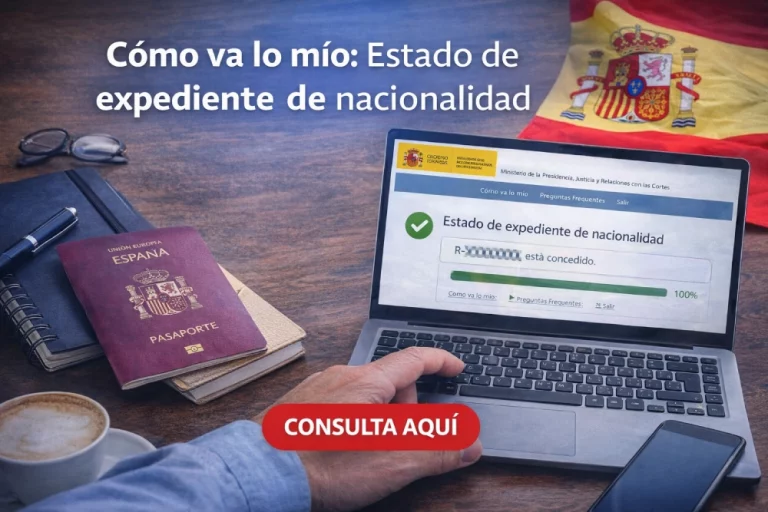
Applicants should keep track of their application status regularly. They can do this through the consulate’s communication channels. In addition, keeping in touch with other applicants can provide valuable insights into similar experiences.
Once the application is approved, the applicant will be notified to take the citizenship oath or make a pledge of allegiance, the final step in obtaining Spanish citizenship. This can be done at the consulate or before a notary, as applicable in each case.
What are the benefits of obtaining Spanish citizenship?
Obtaining Spanish citizenship under the Democratic Memory Law comes with many benefits. One of the most significant is the right to live and work in Spain and any other EU country without needing visas or special permits.
- Access to healthcare and education services in Spain.
- The right to vote and stand for election in local and national elections.
- The right to move to and reside in other EU countries.
In addition, Spanish citizenship offers a sense of belonging and recognition to those who have lived in exile. This recognition is not only legal but also emotional, as it allows applicants to connect with their roots and family history.
Tips for a successful application
To maximise your chances of success when applying for Spanish citizenship under the Democratic Memory Law, it is advisable to follow a few practical tips. First, make sure you have all the necessary documents, including birth and marriage certificates and any other documents that may be relevant.
- Carefully check the consulate’s specific requirements.
- Consult experts or lawyers who specialise in the citizenship process.
- Keep in clear communication with the consulate about the progress of your application.
It is also helpful to share your experience with other applicants or join support groups, where you can receive advice and emotional support. Transparency and attention to detail are key to avoiding delays in your application.
Related questions about the Democratic Memory Law
Who can apply under the Democratic Memory Law?
The Democratic Memory Law is primarily aimed at descendants of Spaniards who lost their citizenship because of political or ideological exile. This includes children and grandchildren, as well as those whose rights were violated by the Franco regime.
In addition, children of women who lost their citizenship by marrying foreign nationals before 1978 may also apply. This seeks to remedy a historic injustice and honour the victims of the past.
How long does it take to obtain Spanish citizenship under the Democratic Memory Law?
The estimated processing time for approval of Spanish citizenship can range from six months to one year. However, this period may vary depending on the consulate’s workload and the complexity of each individual case.
Applicants should regularly check the progress of their application and stay in active communication with the consulate to find out its status.
When does Spain’s Grandchildren Law expire?
The Democratic Memory Law allows applications to be submitted within two years of its entry into force. This deadline is crucial for applicants, as it is the period during which new applications can be accepted.
Anyone considering applying under this law is advised not to miss this opportunity and to start preparing their documents as soon as possible.
What do you need to apply under Spain’s Grandchildren Law?
To apply under the Democratic Memory Law, applicants must submit a range of documents proving their relationship to the Spanish citizen. These include application forms, birth and marriage certificates, and any other documents that establish the family relationship.
Each consulate may have specific requirements, so it is essential to check directly with the responsible authority to ensure that you meet the applicable rules.
This content is for informational purposes only and does not replace professional legal advice or information provided by the competent authorities.