EU long-term residence: complete guide

Before starting the procedure: requirements and procedures may change. Check the information applicable to your case and consult the relevant official sources.
EU long-term residence has become a valuable option for many foreign nationals who wish to settle in Europe. This type of residence allows people to live and work in EU countries under favourable conditions. In this article, we explore all the key aspects of EU long-term residence, including the requirements, benefits and application process.
What is EU long-term residence?
EU long-term residence is a status that allows non-EU citizens to reside legally in an EU country for an extended period. This card is issued for five years and offers benefits similar to those enjoyed by EU citizens.
This type of residence status not only grants rights at national level, but also facilitates movement between other EU member states. However, it is important to note that long-term residence in one EU country does not automatically give you the right to work in other EU countries.
In addition, the residence card can be renewed, allowing the holder to maintain their immigration status. Each applicant must meet certain requirements to demonstrate both financial stability and integration into society.
What are the requirements for obtaining EU long-term residence?
The requirements for EU long-term residence are essential to ensure that applicants meet the established standards. The main requirements include:
- Continuous residence: Have resided legally in the country continuously for at least five years.
- Financial resources: Demonstrate that you have sufficient financial resources to support yourself and will not depend on social assistance.
- Health insurance: Have valid health insurance that covers healthcare during your stay.
- Criminal record: Have no criminal record that could affect your application.
Meeting these requirements is essential for a successful application. It is also advisable to submit all the required documents in the correct format to avoid complications.
How do you renew an EU long-term residence card?
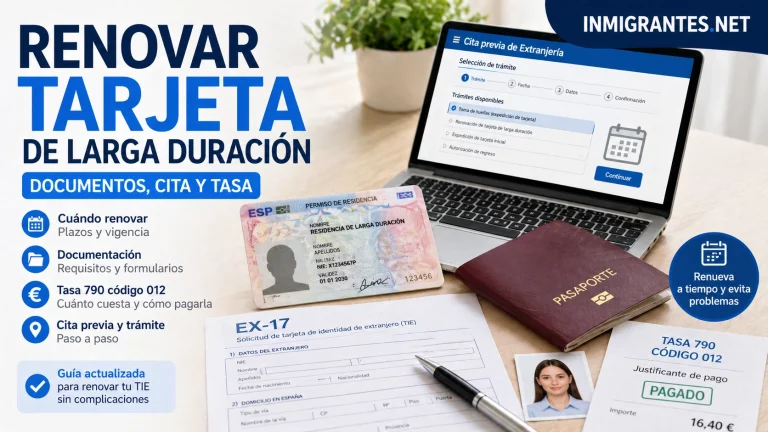
The process of renewing an EU long-term residence card may seem complicated, but following the correct steps can make it straightforward. The card must be renewed every five years, and it is important to start the process before it expires.
The renewal steps include:
- Complete the renewal application form.
- Submit documents showing that you continue to meet the residence requirements.
- Pay the fees for the renewal.
- Wait for the application to be approved.
It is advisable to renew well in advance to avoid any issues with the lawfulness of your stay in the country.
What benefits does EU long-term residence offer?
EU long-term residence offers its holders several benefits. Some of the main ones are:
- Access to the labour market: The possibility of working in the country of residence under conditions equivalent to those for its nationals.
- Freedom of movement: The ability to travel to and reside in other EU countries, subject to certain limitations.
- Healthcare: Access to healthcare services through the national system of the country of residence.
These benefits make long-term residence an attractive option for those seeking stability and opportunities in Europe.
Can I work in any EU country with an EU long-term residence card?
Although the EU long-term residence card allows holders to enjoy employment rights in the country where it was granted, it does not automatically give them the right to work in any other European Union country. However, certain mechanisms can make this process easier.
Holders can apply for residence in another EU country, and in many cases, their long-term resident status makes the process easier. However, each country has its own requirements, so it is essential to find out what they are and prepare the necessary documents before moving.
What documents are required to apply for EU long-term residence?
The documents required for EU long-term residence are a crucial part of the application and should not be overlooked. The documents typically required include:
- A valid passport or identity document.
- Evidence of continuous residence in the country (such as rental agreements or utility bills).
- Documents proving that you have sufficient financial means, such as payslips or bank statements.
- Proof of health insurance.
- Criminal record certificates.
Each of these documents is essential to validate the application and ensure that the requirements have been met.
Frequently asked questions about EU long-term residence
What does EU long-term residence mean?
EU long-term residence is a status granted to non-EU nationals that allows them to live and work in an EU country. It is generally granted after five years of continuous residence and provides rights similar to those of EU citizens.
What is long-term residence in the EU?
EU long-term residence is a type of authorization that allows third-country nationals to reside legally and on a stable basis in an EU Member State. It offers a pathway to settling in the EU, with access to employment and mobility opportunities.
What types of long-term residence permits are there?
Long-term residence includes different types of permits that allow non-EU nationals to live in an EU country for an extended period. Each country has its own regulations, but these permits generally require applicants to meet residence, financial and health requirements.
What is the EU proposal on long-term residence?
The EU proposal on long-term residence refers to the rules established by the European Union governing how non-EU nationals can obtain and retain this status in Member States. These rules aim to standardize the process and ensure that applicants meet common eligibility criteria.
This content is for informational purposes only and does not replace professional legal advice or information provided by the competent authorities.