Exemption from the Spanish citizenship exams

Before starting the procedure: requirements and procedures may change. Check the information applicable to your case and consult the relevant official sources.
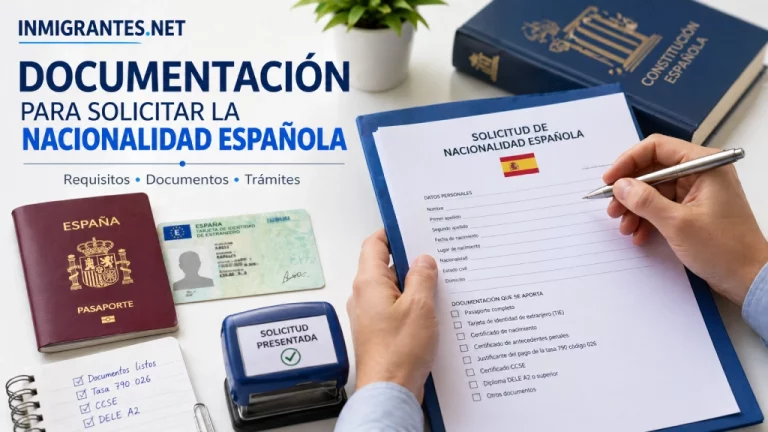
The process of obtaining Spanish citizenship has evolved significantly, requiring applicants to pass the CCSE (constitutional and sociocultural knowledge) and DELE (language) exams. However, certain circumstances allow applicants to request an exemption from the Spanish citizenship exams, making it easier to obtain citizenship.
Below, we explain in detail what this exemption involves, the cases in which it applies, how to apply, the required documents and the decision timeframes.
What is an exemption from the Spanish citizenship exams?
An exemption from the Spanish citizenship exams is a mechanism that allows certain applicants to avoid taking the CCSE and DELE exams. It is designed to make it easier for people who cannot take these exams for various reasons to obtain Spanish citizenship.
It is important to note that exemptions are not automatic; applicants must meet specific criteria to justify their request. These criteria include illiteracy, advanced age or a disability.
Ultimately, exemptions aim to ensure that the citizenship application process is accessible to everyone, without educational or physical barriers standing in the way.
In which cases can you be exempted from the Spanish citizenship exams?
There are several cases in which you can apply for an exemption from the Spanish citizenship exams. Here are some of the most common:
- Illiteracy: Applicants who cannot read or write may apply for an exemption.
- People aged over 70 years: Applicants who have reached this age are exempt from taking the exams.
- Disability: People with disabilities that prevent them from taking the exams may also apply for an exemption.
- Minors: Applicants under 18 years of age do not need to take the exams.
Each of these circumstances must be properly documented for the application to be considered valid. It is essential to provide evidence supporting the exemption request.
How do you apply for an exemption from the Spanish citizenship exams?
An application for an exemption from the citizenship exam must be submitted before starting the citizenship application process. The steps are as follows:
- Gather the required documents: It is essential to collect all documents that provide evidence of the applicant’s circumstances.
- Complete the application form: The form can be downloaded in PDF format from the Ministry of Justice’s official website.
- Submit the application: The application can be submitted to the Civil Registry or through online platforms provided by the Ministry of Justice.
Once the application has been submitted, it is important to follow up to make sure it is being processed correctly. Missing information or documents may delay the process.
What documents are required to apply for an exemption from the nationality exams?
The documents required to apply for an exemption from the Spanish citizenship exams vary depending on the reason for the application. However, some common documents include:
- A photocopy of the applicant’s DNI or passport.
- Documents proving illiteracy, disability or any other reason that justifies the exemption.
- Completed application form.
- In some cases, a medical report confirming the applicant’s condition.
It is essential to make sure that all documents are complete and up to date. Any missing information could result in the application being refused.
How long does it take to decide an exemption application?
Once an exemption application has been submitted, the decision time may vary. In general, the maximum estimated wait for a response is up to six months.
It is advisable not to wait until the last moment to submit the application, as processing times can be unpredictable. You should allow enough time to make any corrections or provide any additional documents that may be requested.
If the stated period passes without a response, you can contact the Civil Registry or the Ministry of Justice for information about your application status.
Who is exempt from taking the Spanish citizenship exams?
In addition to the cases mentioned above, certain groups of people are generally exempt from taking the citizenship exams. These include:
- People with disabilities: Those whose disability prevents them from taking the exams.
- Applicants over 70 years old: The law grants this exemption on the grounds of age.
- Minors: Minors are not required to take the exams.
Applicants in these categories should find out about the specific procedure for proving their exemption and the required documents.
Related questions about exemptions from the Spanish citizenship exams
Who is exempt from taking the Spanish citizenship exam?
Exemptions from the Spanish citizenship exams apply to various categories of people. In particular, those who are over 70 years old are exempt from taking the CCSE and DELE exams. People with a disability that prevents them from taking these tests may also qualify for this exemption.
Applicants who are minors are also not required to take the exams, making the citizenship process easier for this age group. Applicants in these categories should therefore find out how to proceed with their exemption application.
How can you apply for Spanish citizenship without taking the test?
To apply for Spanish citizenship without taking the exams, applicants must follow a process similar to that for any citizenship application, but they must include an application for an exemption from the exams. This includes gathering documents to justify their particular circumstances, such as age or disability.
Once the exemption application has been submitted, the citizenship application can proceed without the applicant taking the CCSE and DELE exams, provided the exemption is approved. It is essential to make sure that all documents are submitted correctly to avoid delays.
How long does it take to obtain a citizenship test exemption?
The time it takes to decide an exemption application may vary, but the response period is generally set at up to six months. During this time, it is important to follow up regularly with the relevant authority, such as the Civil Registry or the Ministry of Justice.
Applicants are advised not to be discouraged if they do not receive an immediate response, as these processes can take time, especially when there are many applications pending. Patience and organisation are essential throughout the process.
Where should you submit an exemption application?
An application for exemption from the exams may be submitted to the Civil Registry responsible for the applicant’s place of residence. In many cases, the Ministry of Justice also offers online application options, which can make the process easier.
Make sure to submit the application to the correct place and within the established deadlines. The documents must be complete to avoid problems and ensure that the application is processed properly.
For more information about the process and requirements, applicants can visit the official website of the Ministry of Justice or consult organisations specialising in Spanish immigration procedures.
This content is for informational purposes only and does not replace professional legal advice or information provided by the competent authorities.