Extending your authorization to stay for studies in Spain

Before starting the procedure: requirements and procedures may change. Check the information applicable to your case and consult the relevant official sources.
An extension of an authorization to stay for studies is an essential process for international students who wish to continue their studies in Spain. This procedure allows them to extend their stay beyond the period initially authorized, ensuring that they can complete their studies legally.
To apply for an extension, you must meet certain requirements established by the regulations in force and submit the required documents. Below is everything you need to know about the process.
What is an extension of an authorization to stay for studies?
An extension of an authorization to stay for studies allows foreign nationals in Spain to continue studying. This procedure is essential for those who have started a study programme and want to continue their education without interruption.
It is important to note that extensions are not granted automatically; applicants must demonstrate that they meet all the requirements and that their academic circumstances justify the extension.
An authorization to stay for studies is initially granted for a set period. Anyone wishing to extend it must apply before it expires to avoid legal problems with their stay in the country.
What are the requirements for an extension of an authorization to stay for studies?
To extend an authorization to stay for studies in Spain, applicants must meet several requirements. These include:
- You must not be a citizen of the European Union.
- Having sufficient financial means to cover the cost of staying in Spain.
- Having health insurance that covers the extension period.
- Demonstrating that you are continuing your studies by providing documents from your educational institution.
In addition to these requirements, students are advised to apply at least 60 days before their current authorization expires. This provides a safety margin in case any issues arise during the application process.
If you fail to meet any of these requirements, your application may be refused, which could result in your stay in Spain no longer being lawful.
How do I apply for an extension of an authorization to stay for studies in Spain?
The process to apply for an extension of an authorization to stay for studies in Spain involves several steps that must be followed carefully. The basic steps are as follows:
- Gather all the required documents, including your passport, TIE and proof of enrolment.
- Complete the application form, which you can obtain from the website of the Immigration Office.
- Submit the application to the relevant Immigration Office or, in some cases, through online platforms.
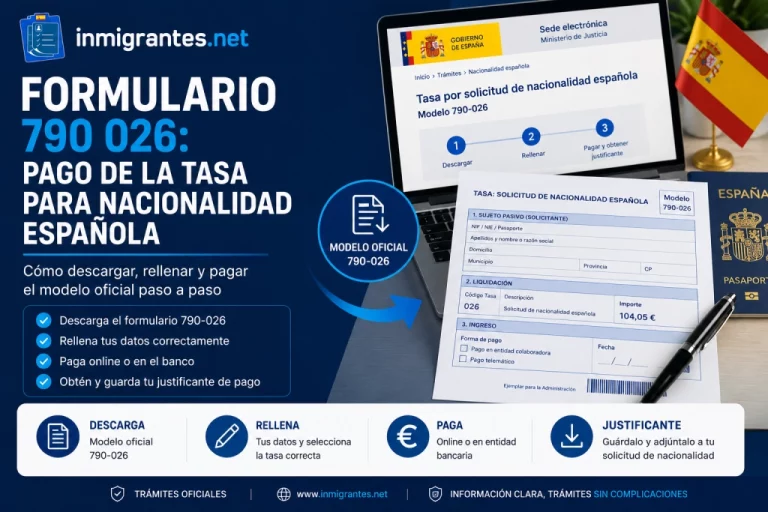
- Pay the applicable fee, which for an extension is Fee 790 052.
- Wait for the decision, which may take several weeks, and watch for any requests for additional documents.
It is advisable to keep track of your application status to make sure there are no unexpected delays. Proper processing is essential to ensure that your stay remains lawful.
What documents do I need to extend my stay for studies?
The documents required to extend your stay for studies vary and must all be submitted to avoid problems. The most commonly required documents include:
- A photocopy of a valid, current passport.
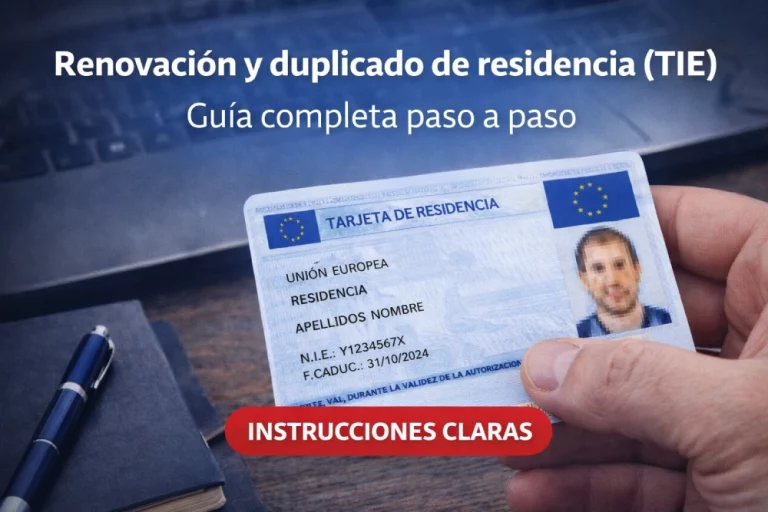
- A photocopy of your TIE (Foreigner Identity Card).
- Proof of enrolment at the educational institution where you are enrolled.
- Documents proving that you have sufficient financial means.
- Health insurance covering the entire period of the requested extension.
It is important to check that all documents are up to date and complete, as any error could result in your application being refused. Submitting the correct documents is essential to the success of the process.
How long is an extension of stay for studies valid?
The validity of the extension of stay for studies depends on how much time the student needs to complete their studies. It can usually be extended for a period equal to the duration of the studies underway, provided this is properly justified.
The length of the extension may also be subject to the educational institution’s regulations and the guidelines established by the Ministry of Education in Spain. In general, the extension may be for one year or more, depending on the length of the study programme.
It is essential to keep track of expiry dates and procedures to avoid any problems that could affect the lawfulness of your stay.
What should I do if my extension of stay for studies is refused?
If your application for an extension of stay for studies receives an unfavourable decision, it is important to know what options are available. First, you can request a review of the decision by submitting any arguments or documents you consider relevant.
Another option is to consult an immigration lawyer, who can advise you on the appeal process. It is essential to act quickly, as there are specific deadlines for filing any appeal.
In addition, if the application was refused because you did not meet the requirements, you can work on addressing those issues for a future application. Staying informed about your rights and options is key to handling these situations appropriately.
How does the new law affect extensions of stay for studies?
The new immigration and stay law in Spain has introduced significant changes affecting the extension of stay for studies. Key changes include more rigorous checks of the requirements and closer monitoring of foreign students.
These changes aim to improve oversight of students’ stays and ensure they meet the conditions set when they enter Spain and throughout their time in the country. It is important to keep up to date with these changes to avoid problems during the application process.
The new legislation may also change processing times and the documents required, so it is advisable to always check the latest regulations before starting the application process.
Related questions about extensions of stay for studies
What happens if my student visa expires in Spain?
If your student visa expires and you have not applied for an extension of stay for studies, you will be in Spain without regular immigration status. This may have legal consequences, such as being unable to obtain a new visa or being expelled from the country. It is therefore essential to start the extension process before your visa expires.
If your visa has expired, you should contact the Immigration Office to find out what options are available. These may include regularizing your immigration status in certain circumstances.
How long do I have to renew my student visa?
The deadline to renew a student visa is generally 60 days before its expiry date. This period allows students to submit their application without problems and wait for the administration’s decision.
It is advisable not to wait until the last minute to submit the extension application, as processing can take time, and it is essential to have everything in order to avoid legal problems.
How long do I have to apply for authorization to stay for studies in Spain?
As mentioned above, the ideal time to apply to extend your authorization to stay for studies is 60 days before your TIE expires. However, the law allows you to submit the application up to 90 days after it expires, although this involves risks and may lead to complications regarding the legality of your stay.
For this reason, it is strongly recommended that you meet the established deadline to ensure a smooth transition in your immigration status.
What is an extension of your authorization to stay for studies?
An extension of your authorization to stay for studies is an extension of the period granted to a foreign student to continue their academic studies in Spain. This process is essential for students whose educational programme lasts longer than the period originally authorized.
An extension allows students to maintain their legal status while completing their studies, provided they meet the requirements and submit the appropriate documents. It is undoubtedly a crucial matter for all international students in the country.
This content is for informational purposes only and does not replace professional legal advice or information provided by the competent authorities.