Purpose and use of the certificate of life or civil status
Before starting the procedure: requirements and procedures may change. Check the information applicable to your case and consult the relevant official sources.
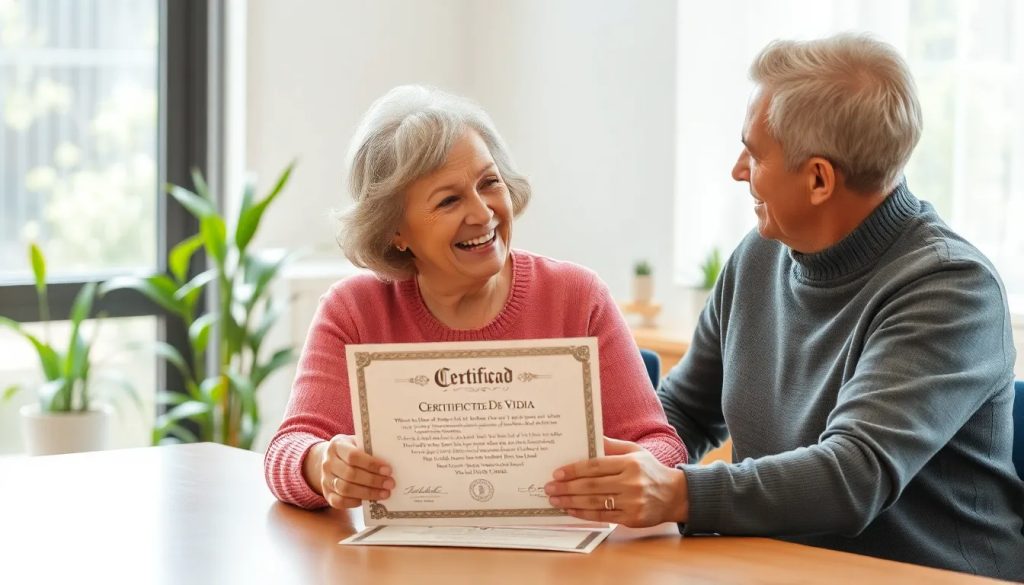
The certificate of life and civil status is an essential document that certifies a person’s existence and civil status. This certificate, issued by the Civil Registry, has become increasingly relevant for various administrative and legal procedures.
In this article, we will explore the purpose and use of the certificate of life or civil status, as well as the procedures for obtaining it in different circumstances.
What is the certificate of life and civil status used for?
The certificate of life and civil status is mainly used to certify that a person is alive and to state their civil status. This document is required for various procedures, such as applying for pensions, dealing with inheritances and other legal matters.
It also allows public authorities and private entities to verify applicants’ identity and civil status. Without this document, completing certain procedures may be difficult or even impossible.
It is important to note, however, that this certificate is not the only way to prove civil status. Other documents, such as a marriage certificate or death certificate, may serve this purpose.
How do you apply for a certificate of life?
To apply for the certificate of life and civil status, you need to follow a series of steps that vary depending on where you are. In general, the process involves:
- Going to the nearest Civil Registry office.
- Providing the required documents, such as your DNI or passport.
- Complete the relevant application form.
In some cases, you can apply for a certificate of life and civil status online through the Civil Registry website, making the process easier.
If you need to book an appointment, check whether you need an appointment to obtain a certificate of life and civil status. This may vary by region.
Where can I obtain the certificate of life and civil status?
You can obtain the certificate at any Civil Registry office in Spain. Spanish citizens living abroad can also apply at embassies and consulates.
You can also find information on the Ministry of Justice website, which sets out the procedures and requirements for obtaining it.
If you live in cities such as Barcelona or Zaragoza, check which services are available in your area, as some offices may have different opening hours or require appointments.
Can I obtain a certificate of life from abroad?
Yes, you can obtain a certificate of life from abroad. To do so, you must visit the nearest Spanish embassy or consulate.
The process generally involves submitting documents proving your identity, such as a passport or DNI, and completing a specific form. You may also need to provide a medical certificate if appearing in person is not possible.
In some cases, consular authorities can explain how to complete the process remotely. This is especially useful for people who cannot easily travel.
What are the requirements for requesting a certificate of life?
The requirements for requesting a certificate of life and civil status may vary, but generally include:
- Valid identity document (DNI or passport).
- A duly completed application form.
- In some cases, a recent medical certificate if your identity cannot be verified in person.
It is important to note that foreign nationals requesting the certificate may need to provide additional documents proving their stay in the country.
Where can you download the certificate of life and civil status?
The certificate of life and civil status cannot be downloaded directly from a website. However, many autonomous communities allow you to request it through their digital platforms.
If you choose this option, make sure you have a digital certificate that allows you to complete procedures online. Otherwise, you will need to visit the relevant Civil Registry office.
It is important to keep up to date with procedural changes, as regulations may change over time.
Frequently asked questions about using the certificate of life and civil status
What is a certificate of life used for?
The certificate of life is used to confirm that a person is alive and to certify their civil status. This document is essential for procedures such as administering inheritances, claiming pensions and handling certain legal matters. Without this certificate, some procedures may be delayed or even cancelled.
It is also essential in situations where identity verification is required, as it provides an official way to prove that a person is who they claim to be.
What information does a certificate of life contain?
The certificate of life contains the applicant’s personal information, such as their full name, date of birth and current civil status. It may also state the date of issue and the issuing authority.
It is important that the information on the certificate is accurate, as any errors could cause problems with procedures that require it.
Is a certificate of life compulsory?
No, a certificate of life is not required in every case. However, it may be requested as a supplementary form of evidence by various public administrations or private entities. A certificate of life may be requested when no other documents confirming civil status are available.
It is advisable to check the specific regulations for your circumstances to determine whether this document is required or whether valid alternatives are available.
How do you obtain a certificate of life?
To obtain a certificate of life, you must follow the steps set by the Civil Registry. This means visiting the relevant office or, in some cases, using the online services available.
Remember that you must provide the required documents and, in some cases, book an appointment. Check the specific procedures in your area to avoid problems.
This content is for informational purposes only and does not replace professional legal advice or information provided by the competent authorities.