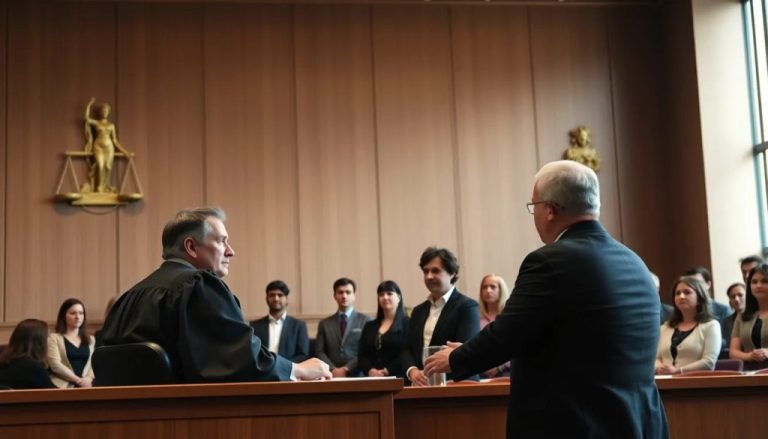
In certain cases, immigrants can request the revocation of an expulsion order

Before starting the procedure: requirements and procedures may change. Check the information applicable to your case and consult the relevant official sources.
Revoking an expulsion order is a crucial issue for many immigrants in Spain. In certain cases, immigrants can request the revocation of an expulsion order, especially if they have family ties in the country. This article covers the legal aspects and procedures involved in revoking an expulsion order.
Understanding how this process works can be vital for people facing the possibility of expulsion. Below, we explain what an expulsion order is and the procedures for requesting its revocation.
What is an expulsion order?
An expulsion order is an administrative decision that may be issued by the Government Delegation in Spain. This type of order applies to immigrants without a residence authorization and may follow sanction proceedings. It is important to note that an order may be accompanied by a Schengen entry ban, which prevents the person from returning to the Schengen Area for a specified period.
Expulsion orders can be either administrative or judicial. The difference lies in the procedure followed: administrative orders are decided by the public administration, while judicial orders require court proceedings. This distinction is essential to understanding the possible avenues for appeal and revocation.
The Spanish Constitution protects citizens by preventing the expulsion of Spanish citizens and guaranteeing rights to immigrants, especially those with family ties to Spanish citizens or legal residents.
In what cases can you request the revocation of an expulsion order?
An expulsion order may be revoked in several circumstances, particularly when the rights of minors or family life are at stake. For example, if an immigrant has Spanish children or an EU-citizen spouse, they may argue that their expulsion would affect their family’s well-being. In these cases, the Legal Protection of Minors Act provides a key legal basis for supporting the request for revocation.
In addition, if the immigrant submits a residence application, such as one under arraigo social (the social-integration residence route), this may influence the Administration’s decision. Other factors that may support revocation include having no criminal record and meeting the established legal requirements.
- Close family members in Spain.
- Residence applications in progress.
- Exceptional circumstances that justify remaining in Spain.
It is crucial for those concerned to seek legal advice on revoking expulsion orders, as understanding every nuance of the legal system can mean the difference between being allowed to stay and being expelled.
How can you revoke an expulsion order?
The process for revoking an expulsion order in Madrid or anywhere else in Spain generally involves filing an appeal. The appeal must be accompanied by the relevant documents supporting the request. It is essential to submit representations within a short period after receiving notification of the order, usually within ten days.
Once the appeal has been filed, the Administration has six months to issue a decision. During this time, applicants are advised to stay in regular contact with their lawyer, who can help ensure that all deadlines are met and that the documentation is complete.
Immigrants may also choose to seek judicial review before the administrative courts if the Administration’s decision is unfavourable. This involves going to court and may be a longer and more complex process. Legal advice is even more essential in this situation.
When can a foreign national not be deported?
Spanish law sets out several circumstances in which a foreign national cannot be deported. For example, deportation cannot be carried out if the person has family ties that justify their stay in Spain, such as Spanish children or a spouse who is an EU citizen. This is consistent with the rights established in the Spanish Constitution.
Likewise, deportation may be avoided if it is proven that the foreign national does not pose a threat to public safety or that deportation would place them in an extremely vulnerable situation. The authorities must take these factors into account before issuing a deportation order.
Deportation may also be avoided when the person is in the process of regularizing their immigration status. In such cases, the authorities tend to be more flexible, allowing the regularization process to proceed without the threat of imminent deportation.
What are the requirements for revoking a deportation order?
The requirements for revoking a deportation order vary depending on the case, but generally include proof of family ties in Spain. This may involve submitting documents demonstrating a relationship with Spanish citizens or legal residents.
It is also necessary to show that there are no criminal records that justify deportation. If a residence application is cited as grounds, documents supporting that application must also be submitted.
- Documents proving the family relationship.
- Certificates showing legal status in Spain.
- Criminal record certificate.
It is also advisable to consult a specialist lawyer who can guide you in gathering all the necessary documents and ensure that the application is submitted within the applicable time limits.
How long does a deportation order last?
The duration of a deportation order can vary considerably. Generally, it may last from a few months to several years, depending on the seriousness of the offence. Some orders may include a ban on entering the Schengen Area for up to ten years in cases involving serious threats to public safety.
The revocation of a deportation order depends not only on the person’s circumstances but also on how the authorities interpret and apply the legislation in force. It is therefore crucial to understand that every case is unique and may have different outcomes depending on the individual circumstances.
In certain cases, deportation may be replaced by financial penalties, depending on the circumstances surrounding the order. It is therefore essential to seek specific information and legal advice from the outset of the process.
Related questions about revoking deportation orders
When can a deportation order be revoked?
A deportation order can generally be challenged when there are family ties in Spain, especially if the person has children or a Spanish spouse. It may also be possible when a residence application is being processed or if the person has no criminal record. The Law on the Legal Protection of Minors plays an important role in these cases.
How can I revoke a deportation order?
To revoke a deportation order, you must file an appeal with the authorities and submit documents supporting your request. This must be done within the applicable time limits, generally within ten days of notification. Specialist legal advice can also help facilitate the process and improve the chances of success.
When can a foreign national not be expelled?
A foreign national cannot be deported if they have a direct family tie that justifies their stay in the country, such as having Spanish children. Deportation may also be avoided if the person is in the process of regularizing their immigration status or if deportation could seriously harm their well-being or that of their family.
How long does a deportation order last?
The duration of a deportation order can vary; it typically lasts from a few months to several years. If the deportation includes a ban on entering the Schengen Area, it may last for up to ten years. The exact duration will depend on the circumstances of the case and the decision of the relevant authority.
This content is for informational purposes only and does not replace professional legal advice or information provided by the competent authorities.