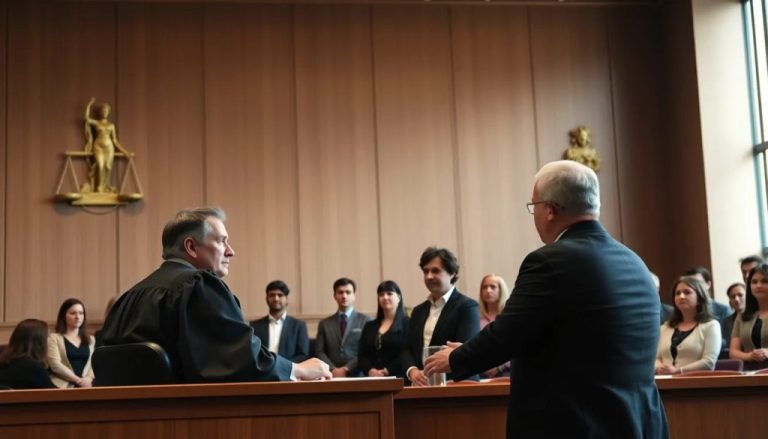
Suspension of a prison sentence: requirements and considerations

Before starting the procedure: requirements and procedures may change. Check the information applicable to your case and consult the relevant official sources.
Suspension of a prison sentence is a legal measure that allows people sentenced to short prison terms to avoid going to prison, provided certain requirements are met. It aims to support the sentenced person’s reintegration into society and minimise the negative effects prison may have on their life and future.
Below, we explore the most relevant aspects of suspending a prison sentence, including the requirements, types of suspension and consequences of this judicial decision.
What is the suspension of a prison sentence?
Suspension of a prison sentence is a measure that allows a convicted person not to serve their sentence in prison, provided they meet certain criteria set out in the Criminal Code. This type of suspension is particularly applicable to people convicted of less serious offences, and is generally granted when imprisonment is considered unnecessary to prevent further offences.
This legal measure is governed by Article 80 of the Spanish Criminal Code and is designed to support the convicted person’s reintegration into society. The idea is that, by avoiding an effective prison sentence, they are given an opportunity to change their behaviour without the harmful effects of imprisonment.
What are the requirements for suspending a prison sentence?
Suspension of a prison sentence is subject to several requirements that must be met for it to be granted. These include:
- Not having previously been convicted of serious offences.
- The sentence imposed must not exceed two years.
- Having paid the civil damages arising from the offence.
- Demonstrating a positive attitude towards social reintegration.
- The suspension must not be incompatible with the seriousness of the offence committed.
The court must assess the convicted person’s personal circumstances, as well as the characteristics of the offence, to ensure a fair and equitable decision.
In what cases can a sentence suspension be requested?
An application for suspension of a prison sentence can be made in various situations, generally depending on the nature of the offence and the convicted person’s circumstances. Common examples include:
- Minor offences for which the sentence imposed is short.
- Drug-related offences, if the person demonstrates a willingness to undergo rehabilitation.
- When there is no criminal record suggesting a pattern of offending.
- If this is the first time the person has faced a conviction.
It is important to note that the judge makes the final decision on whether to suspend the sentence, assessing each case individually.
What types of sentence suspension are available?
Suspension of the sentence can take different forms depending on the circumstances and needs of the person sentenced. These include:
- Suspension of a custodial sentence: The person avoids going to prison and is allowed to serve their sentence in the community, subject to certain conditions.
- Suspension of a sentence due to drug addiction: In this case, the person may be required to attend rehabilitation programmes as part of their sentence.
- Parole: This option applies to people who have served part of their sentence and, following an assessment, are considered able to continue their lives in the community.
Each option aims to balance justice and social reintegration, giving the person sentenced the support they need to reintegrate.
How long does the suspension of a sentence last?
The suspension period for a prison sentence can vary, although it generally does not exceed the length of the sentence imposed. In many cases, a probation period is set during which the person sentenced must demonstrate their reintegration and compliance with the conditions imposed by the court.
The person sentenced must comply with the conditions of the suspension, as any breach may result in the measure being revoked and the sentence being enforced. The length of this period is usually linked to the seriousness of the offence and the person’s circumstances.
Can the suspension of a sentence be revoked?
Yes. The suspension of a prison sentence may be revoked if the person sentenced breaches the conditions imposed or commits a new offence during the suspension period.
Revocation not only means serving the sentence in prison, but may also have further consequences for the person’s criminal record and their ability to access certain rights. For this reason, it is crucial for people who have been granted a suspended sentence to behave appropriately and comply with the rules set by the judge.
What are the consequences of a suspended prison sentence?
The consequences of a suspended prison sentence vary and can affect the person sentenced in different ways:
- Social reintegration: Suspension allows the person sentenced to reintegrate into their community and look for work, which can contribute to their rehabilitation.
- Avoiding the stigma of imprisonment: By avoiding prison, the negative effects of having a criminal record are minimised.
- Depending on the circumstances of the suspension, specific conditions may be imposed, such as attending therapy or completing community service.
Proper management of and compliance with the conditions can give the person sentenced and their family a second chance.
Related questions about suspended prison sentences
When can a sentence be suspended?
A sentence may be suspended in specific circumstances, generally when the person sentenced meets the requirements set out in the Criminal Code. These include not having been previously convicted of serious offences and the sentence imposed not exceeding two years. It is also essential to show that the civil liabilities arising from the offence have been met and that suspension is not inconsistent with the seriousness of the offence.
When can a sentence be suspended?
A sentence may be suspended when the judge considers that serving it is not necessary to prevent further offences. This applies mainly to minor offences and to people with no criminal record who show signs of being able to reintegrate and take responsibility.
What does 2 years of a suspended prison sentence mean?
A two-year suspended prison sentence means that the person sentenced will not have to serve the sentence in prison, provided they meet certain conditions during that period. In other words, if they comply with those conditions and do not commit any new offences, they will not have to go to prison, giving them the opportunity to reintegrate into society.
What are the requirements for a conditional suspension of a sentence?
The requirements for a conditional suspension of a sentence include not having previously been convicted of serious offences, the sentence not exceeding two years, and having met the civil liabilities. The person sentenced must also demonstrate appropriate behaviour and a willingness to reintegrate into society, which the judge may assess.
This content is for informational purposes only and does not replace professional legal advice or information provided by the competent authorities.